Geology Colloquium: “What Can We Know from What We Can Measure? Earth Science, Quantitative Evidence, and Learning to Do Research”
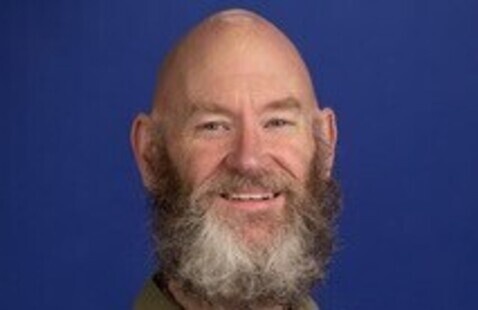
About this Event
Can a precariously balanced rock tell us about earthquakes it has survived? How can we investigate flow in an alpine stream or geological structures we cannot directly see? These questions begin with familiar features of the landscape, but answering them requires quantitative data and careful reasoning about what those data actually establish. This talk examines three student research projects developed at Colorado Mesa University: investigating maximum flow in an alpine ephemeral stream, exploring subsurface structure through azimuthal seismic tomography, and using drone LiDAR measurements of precariously balanced rocks to evaluate potential constraints on past earthquake shaking. Each project connects a geological question to measurable physical properties, then confronts the assumptions and uncertainties involved in interpreting the results. Together, these examples illustrate a philosophy of research in which questions guide measurement, quantitative evidence tests, interpretations, and unexpected results prompt reconsideration. What makes a question testable? When do we have enough evidence to defend interpretation? How do we recognize when an attractive explanation goes beyond what we measured? These are also central questions of research pedagogy. Drawing on the projects, I will examine how students learn to make consequential scientific decisions, respond to practical constraints, and revise their ideas. I will conclude with applications to undergraduate teaching at the University of Kansas, including a course-based research experience in drone applications. For students considering research, the talk offers a view of how investigations take shape, why uncertainty is unavoidable, and how their own questions can become tractable scientific problems.
Event Details
See Who Is Interested
0 people are interested in this event